Hello!
¡Hola! Para ver la versión en español, vaya aquí.
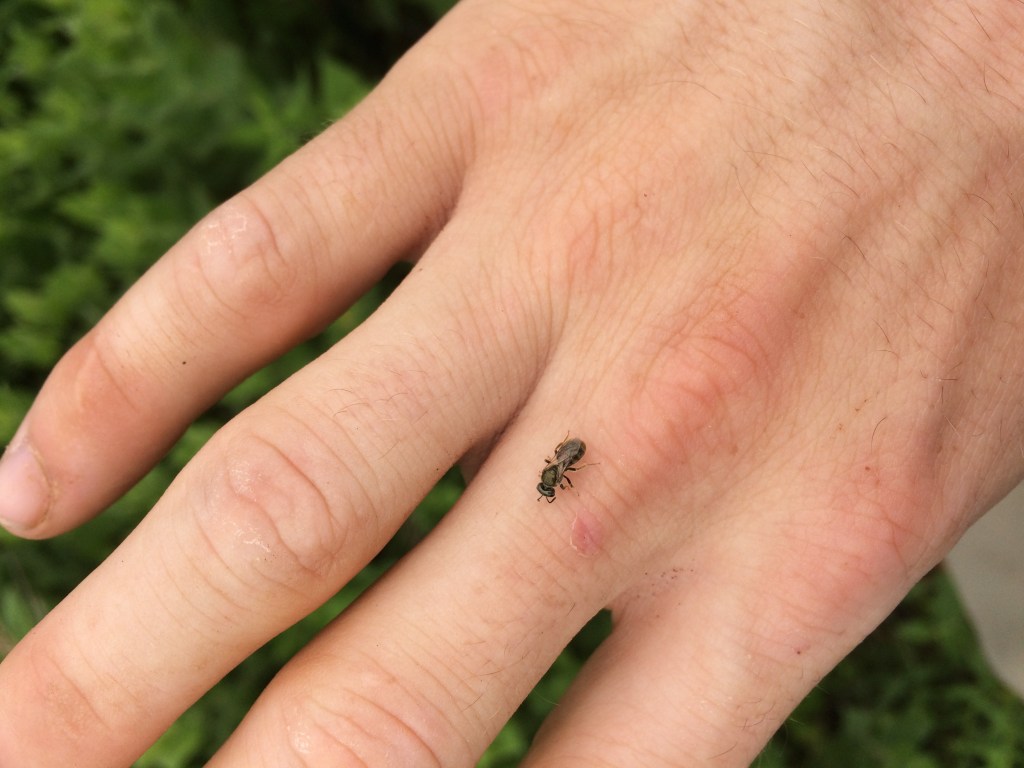
Our research group – the Urban Lab of Plant Ecology at Cornell University is conducting research on solitary cavity-nesting bees and wasps. You may have come to this page because you found one of our nests in the wild! Our central goal of this project is to better understand the diversity and health of these beneficial insects in NYC gardens. Below you’ll find a bit of information on these species, this research project, and contact info if you have any questions.
Of course, if you have pictures of the nests –
Please send us emails with pictures of our nests or bees to:
urbaneco@cornell.edu
Scroll down below for updates
About the Bees
These nests are for wild, native beneficial insects. We call them “beneficial” because it includes both pollinators, which help our plants reproduce, but also predators of pests. While bees are well-known pollinators, many wasp species are also beneficial, helpful insects that eat caterpillars feeding on our crops.
Most of these beneficial insect species are actually solitary, meaning that they build nests for themselves and don’t live in colonies like the better-known Honeybees or Hornets. In North America, most of our bee species live in solitary nests and not in large colonies. For these solitary bees, the mother bee will go around collecting pollen and nectar from flowers and build a little “energy ball” of food. Or if she’s a wasp she’ll collect insects for food instead of pollen and nectar. She’ll then stash the food in the nest, lay an egg on that ball, and close it off in a little room. She’ll keep doing that for all of her eggs throughout the season, and then close off the nest. The eggs will develop over winter and emerge in the following spring as adults and the cycle continues. This difference in nesting stradegy (compared to honeybees) means differences in behavior and importantly aggression. Because they have to care for their offspring entirely themsevles, and don’t have a hive of others to continue without them, these insects have to be much more careful and therefore, they are much less likely to sting.
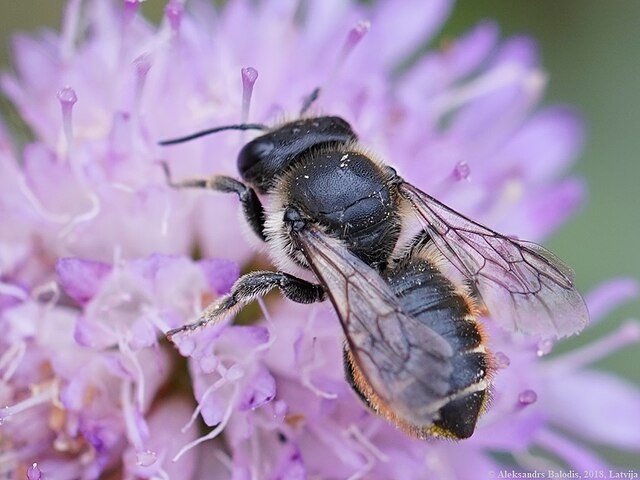
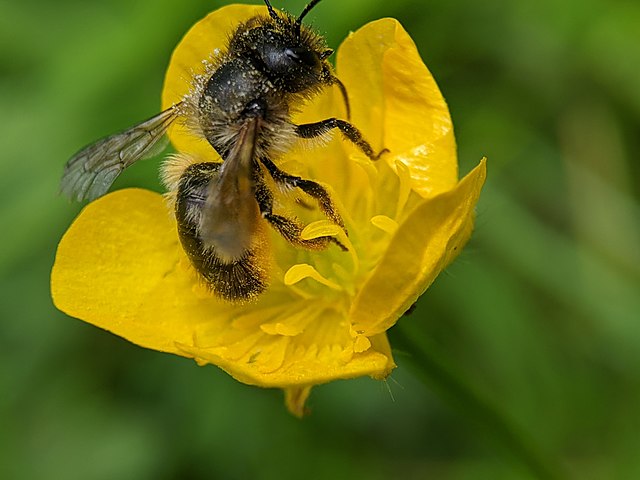
Here are some pictures of these bees in the wild:
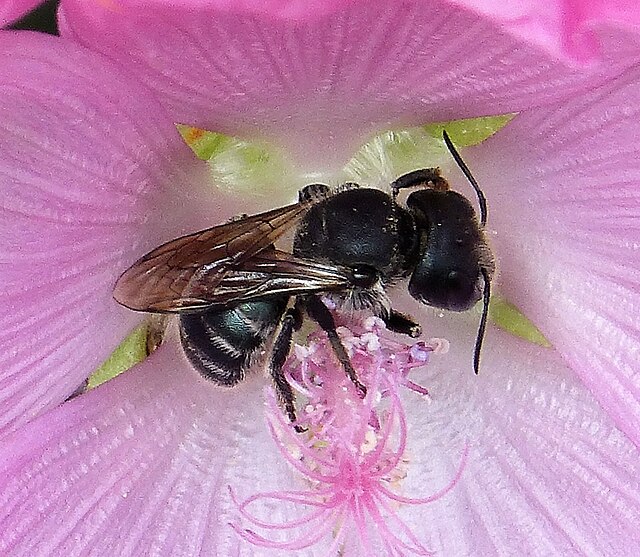
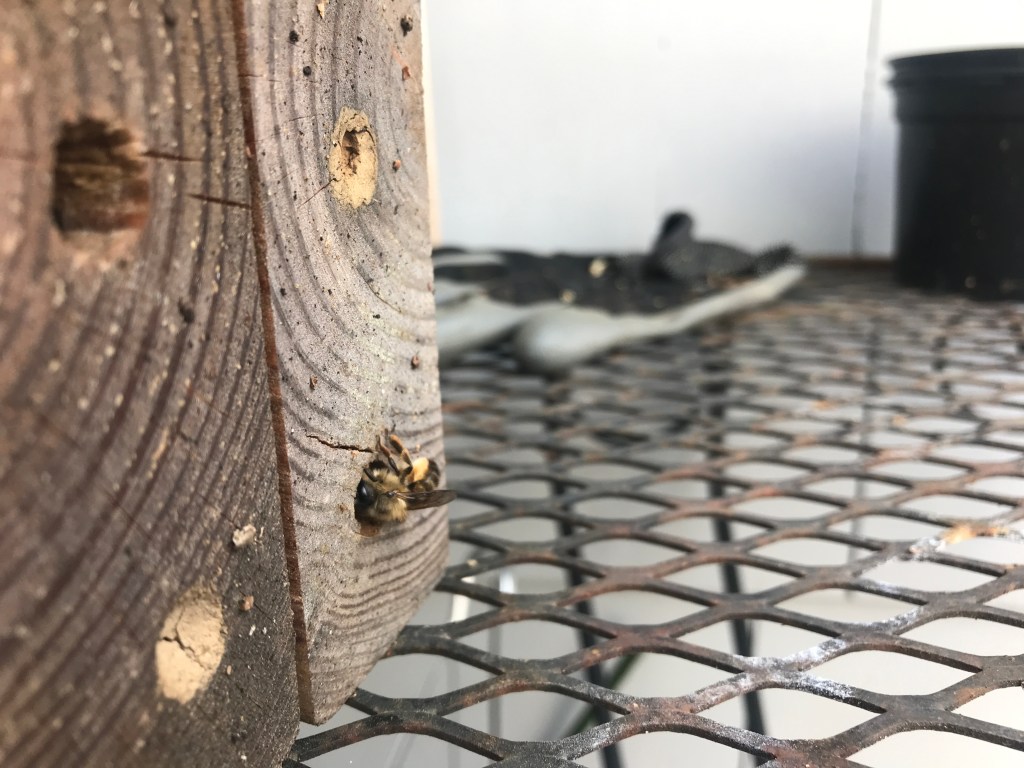
As the bees develop in the nest the go through multiple growth forms –
Here’s what that looks like:
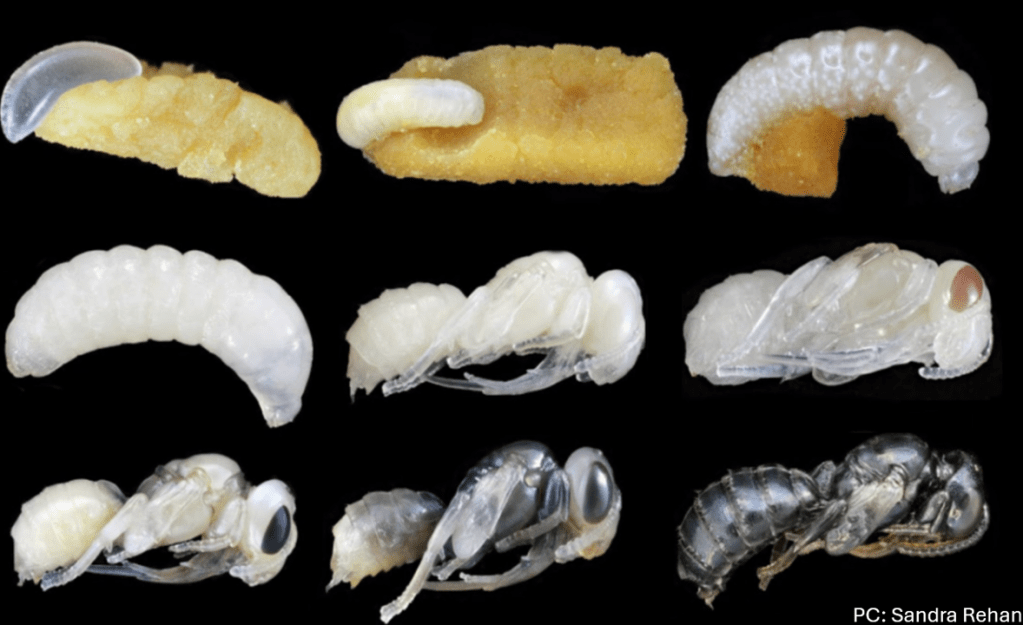
Nguyen, P. N., & Rehan, S. M. (2022). Developmental microbiome of the small carpenter bee, Ceratina calcarata. Environmental DNA, 4(4), 808-819.
.
About this Project
Our goal with this research is to better understand the diversity and health of beneficial insects living in our cities, specifically NYC. To do this, we’ve set up nests in gardens across NYC, which will allow us to monitor things such as how many eggs the bees are laying, what food they’re eating, when are they most active and what kind of parasites do they have. We first set these nests up in April 2026 and have been monitoring them ever since. Follow along to see what we find out and ask the garden teams what they know about this project!
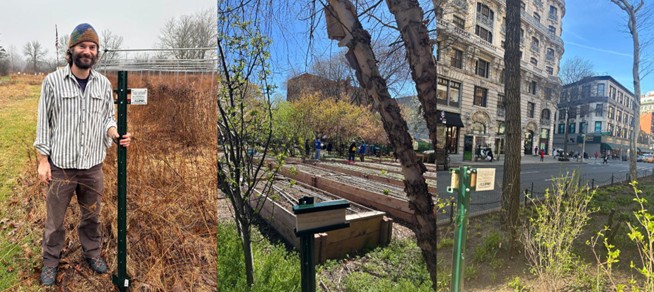
Here are some pictures of our nests set up across NYC for this 2026 project specifically:
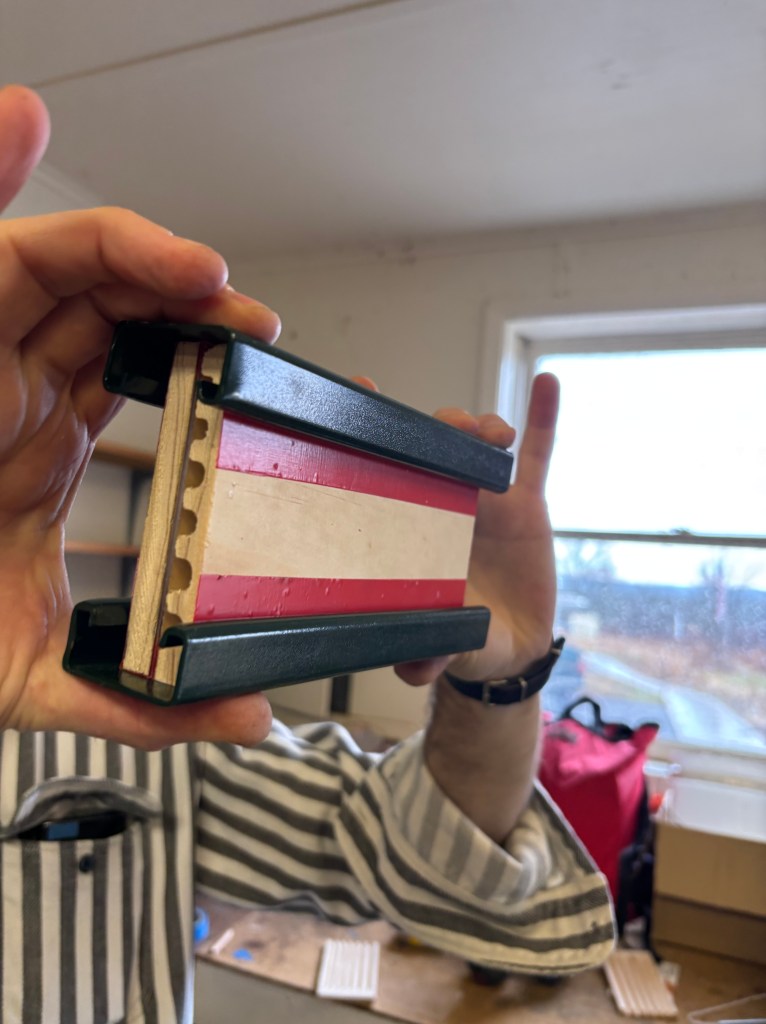
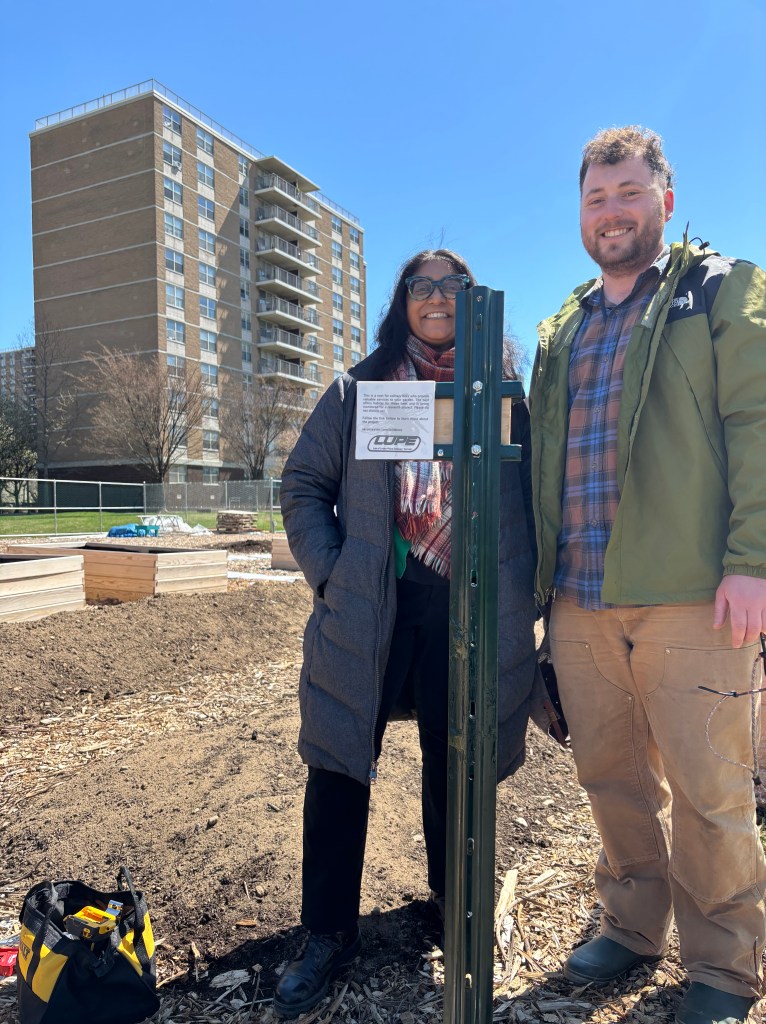
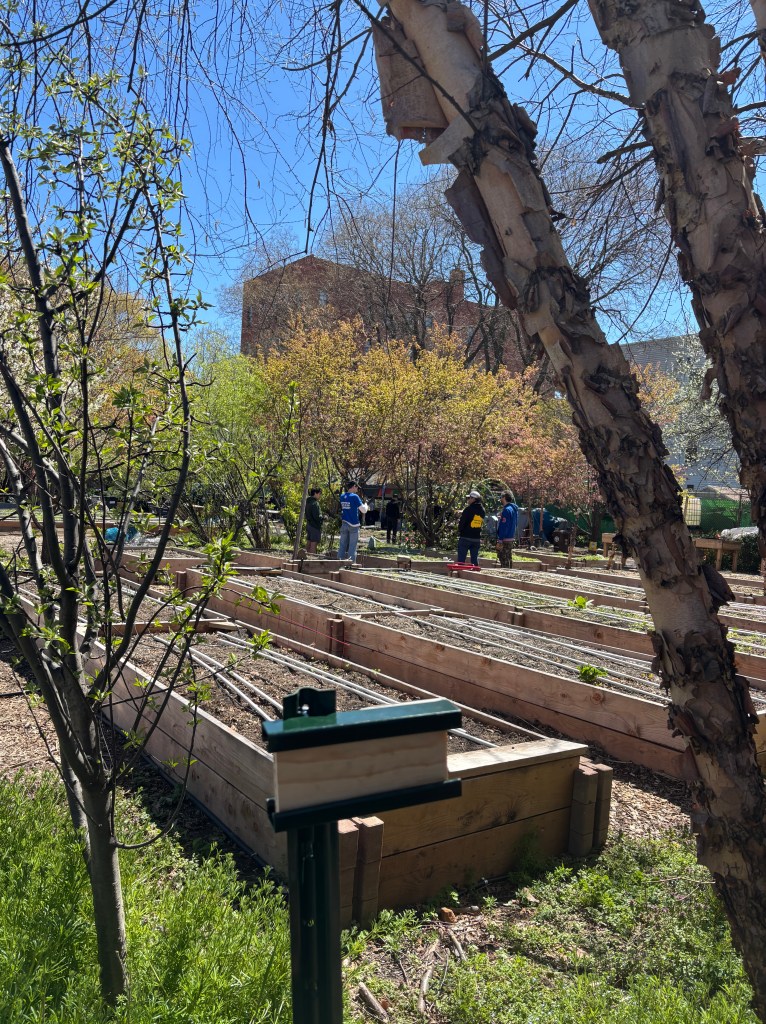
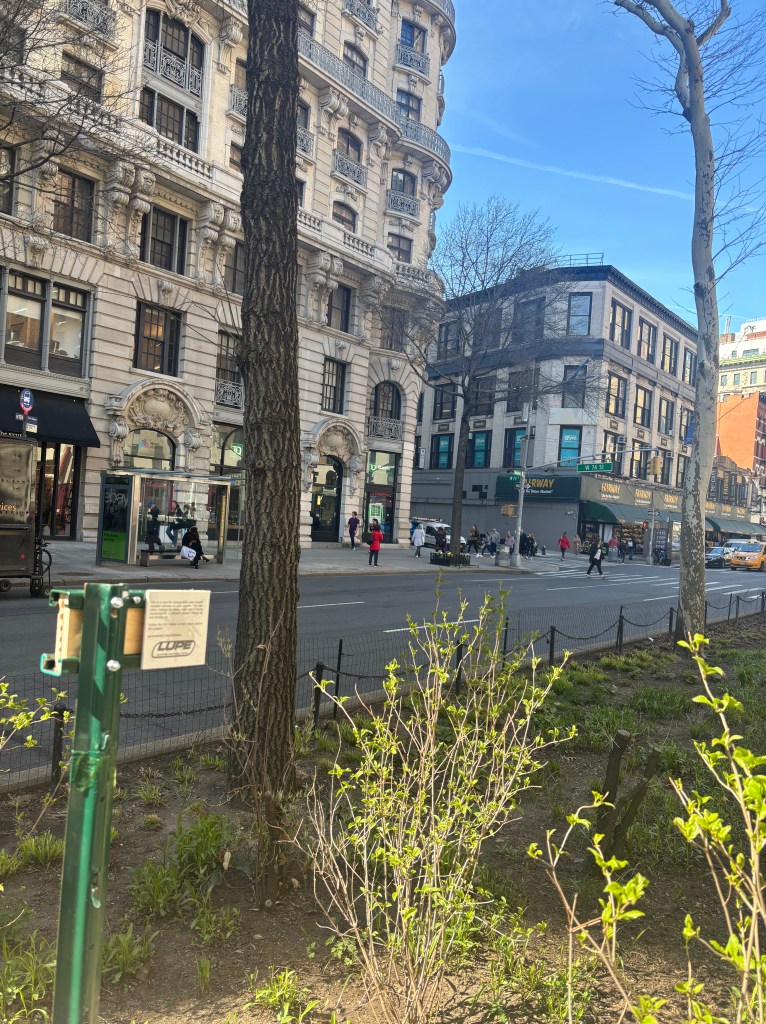
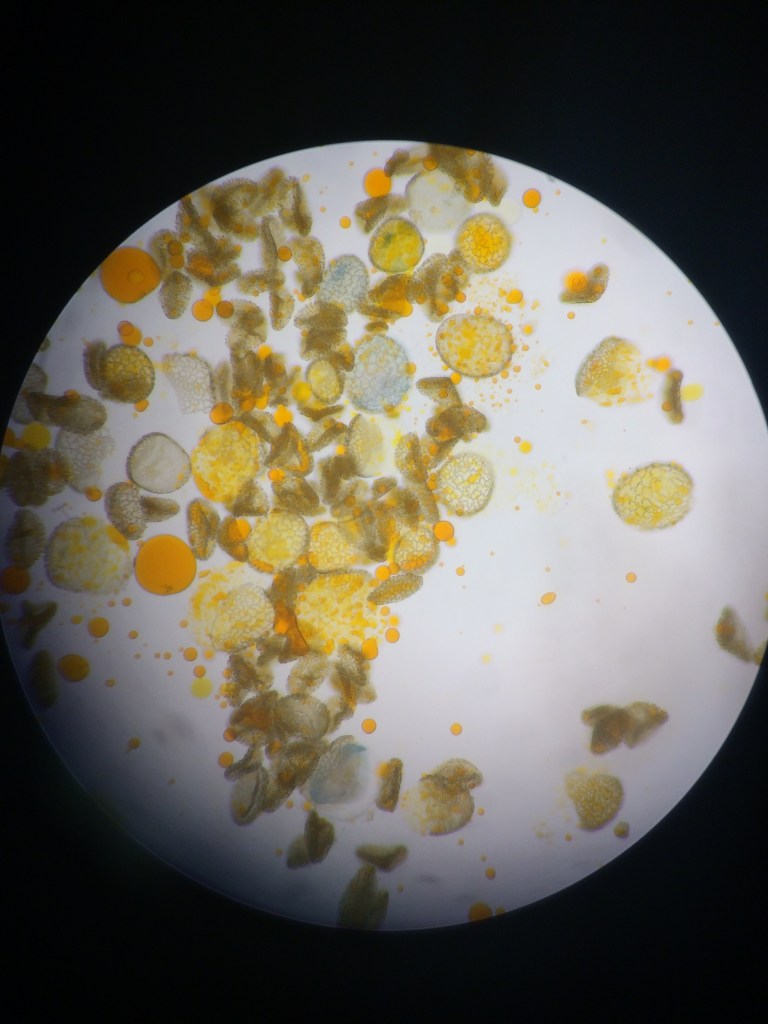
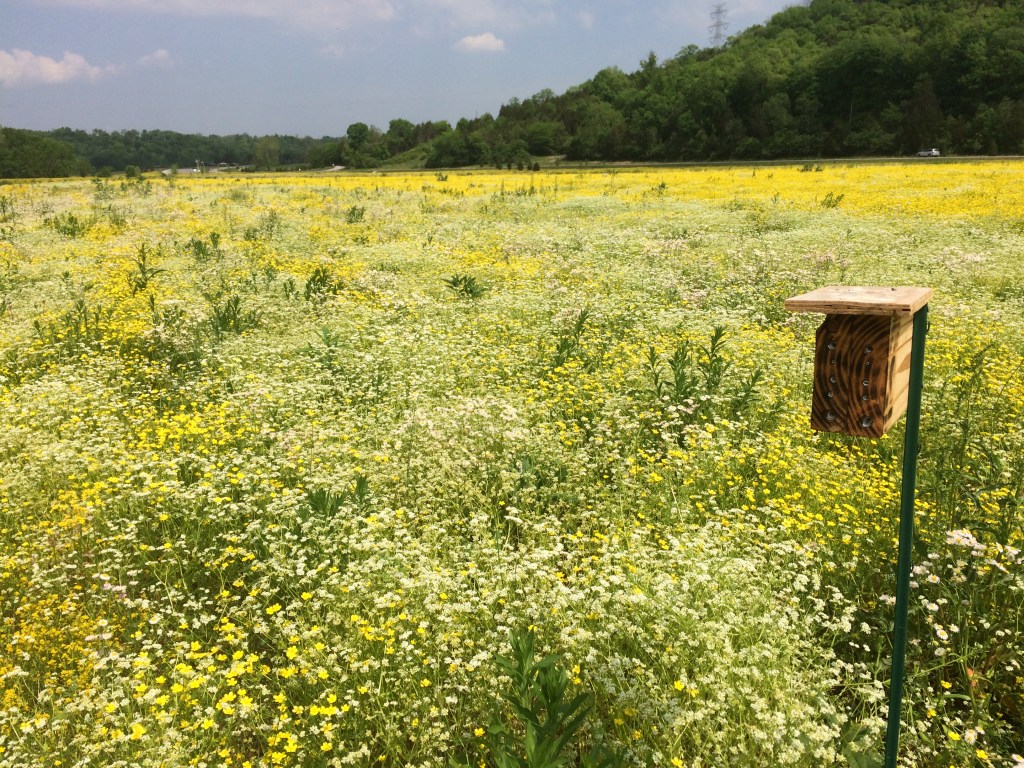
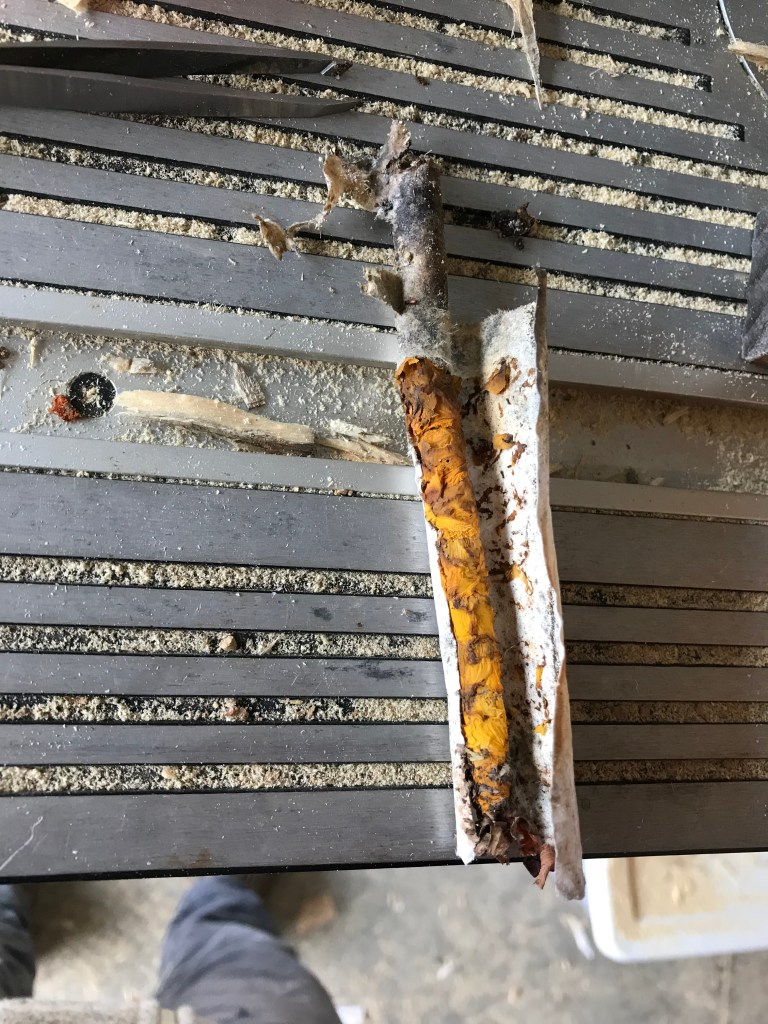
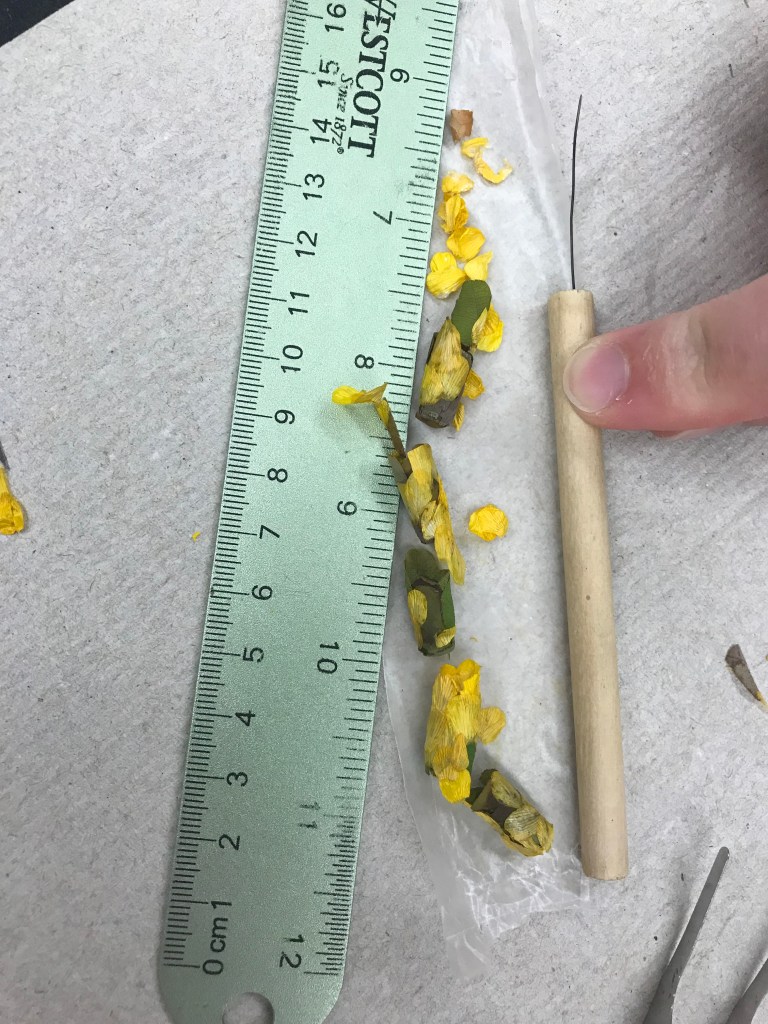
Here are some pictures of the inside and outside of these nests from previous projects:
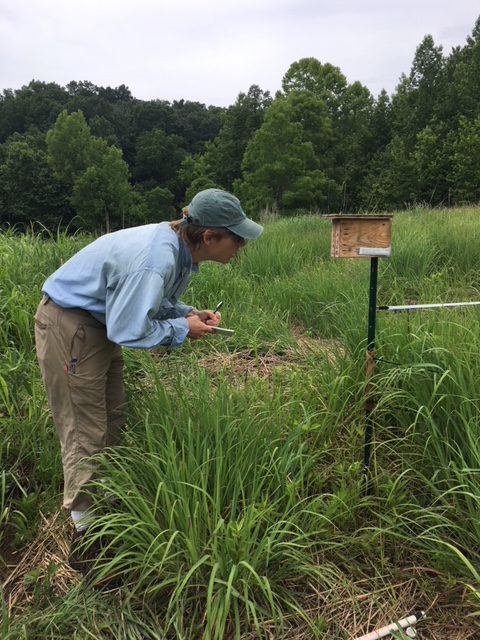
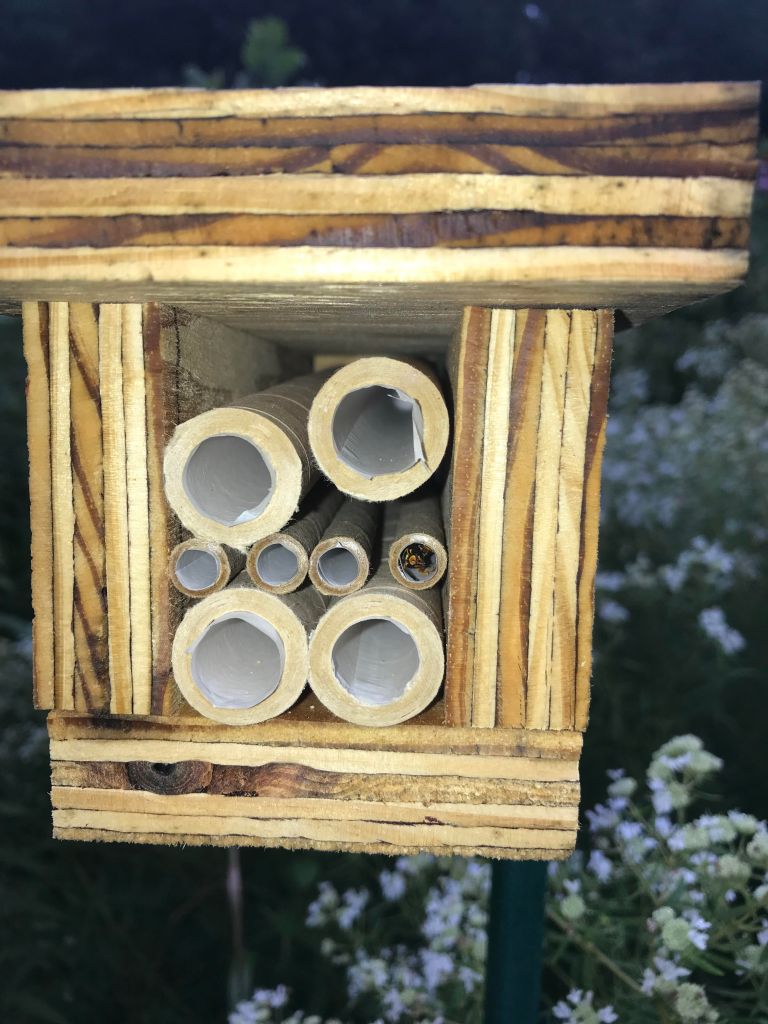
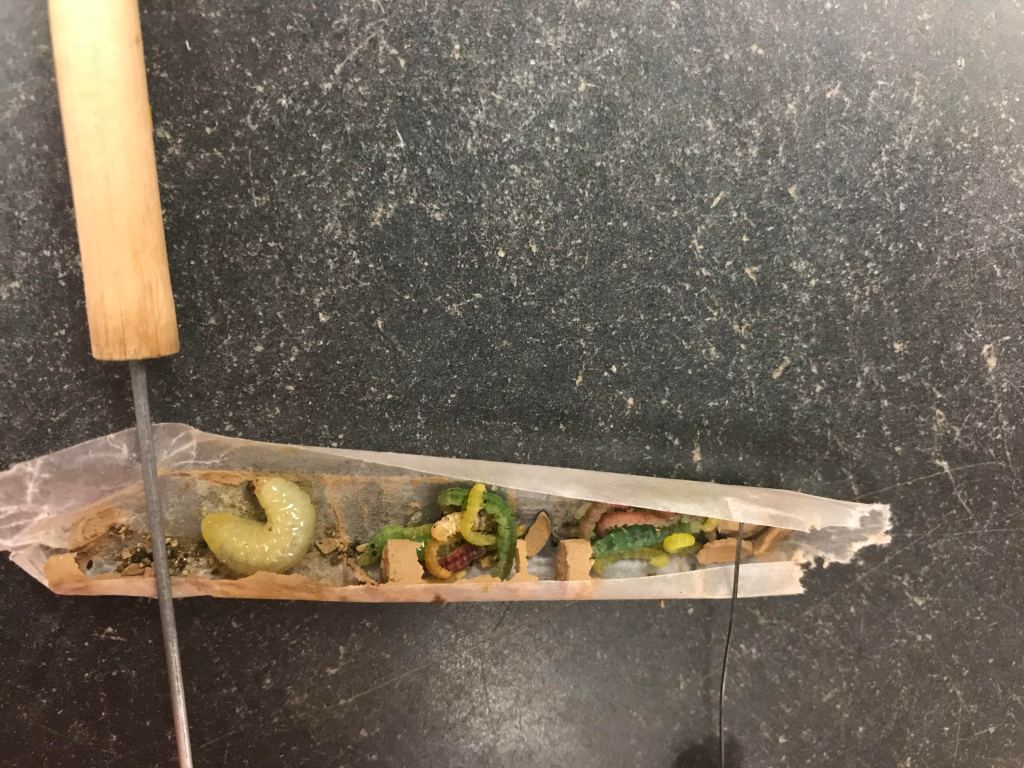
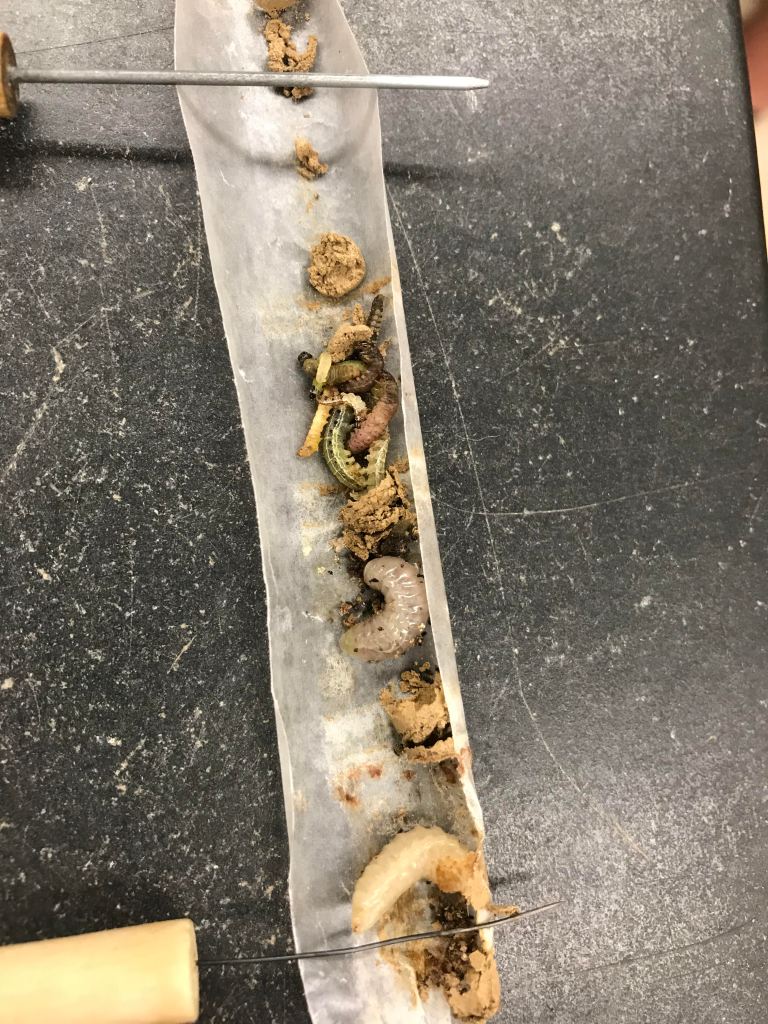
~
These nests weren’t designed overnight.
Here’s a message from our Lead Designer, Sebastijan Jemec on the process.
There are so many designs out there for solitary bee nests- just do a quick Google image search! So rather than using one of those, we decided to design and fabricate our own! Why? Because most existing designs are basically just a block of wood with drilled holes or a bundle of straws, so if you want to see what is going on inside, you have to cut the nest open or pull the straws and “compromise” the bees! We wanted to make a nest where we could observe the bees without compromising them.
Besides needing to be able to observe the insects, we also needed to be able to make a lot of these fairly quickly- an initial run of around 50 in just 1-2 months and without access to a full woodshop. Being trained as an architect and furniture designer, and having extensive experience with custom fabrication, prototyping, and productization, this was a really exciting challenge for me.
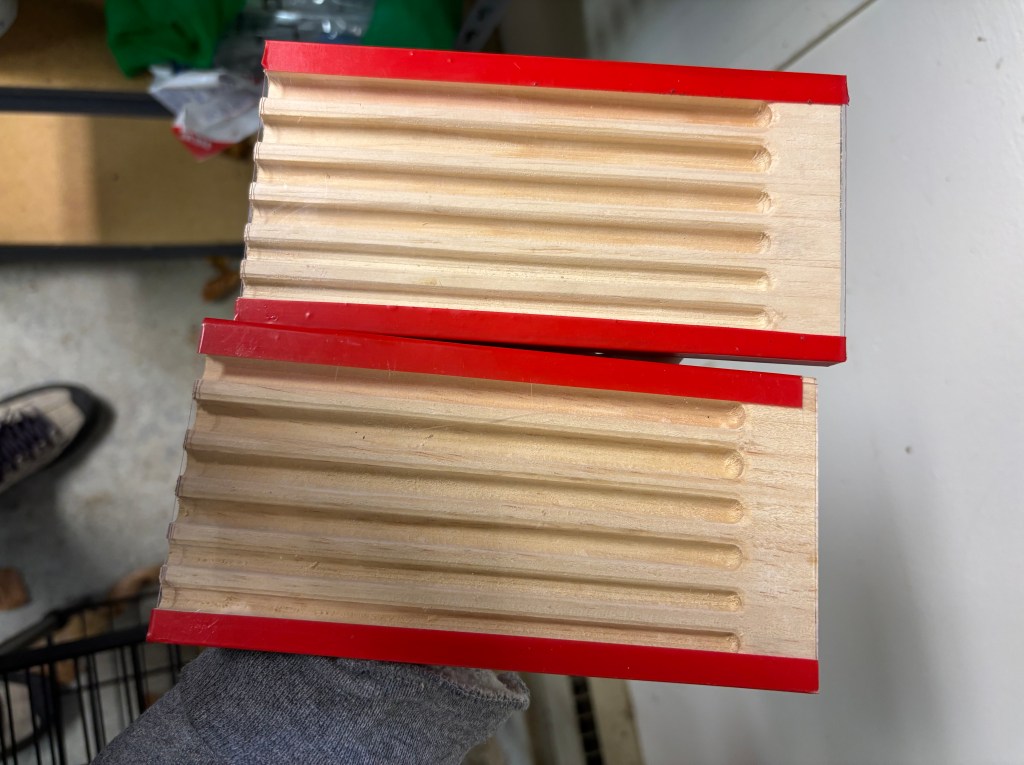
We adapted some existing designs for observation nests that had clear acrylic over grooves so that we could easily look at the bees and wasps. We started off with a standard “tile”- a simple 3.5″ x 7″ x 0.5″ piece of pine with some various sized parallel round bottom grooves cut into it for the bees to nest in, covered with a piece of thin plexi. Everything would be designed around this tile unit.
We predetermined that each nest would have 2 tiles in it, so this parameter drove the size and form of our design. I wanted to take the approach of using as much off-the-shelf hardware as possible, to reduce complexity and minimize need for specialty tools and reduce assembly time. This whole thing should basically be able to be made with a metal chop saw, drill, tap, screw drivers, and pliers. Oh, and a router to cut grooves into the wood. My go-to source for all things hardware is McMaster-Carr, so I designed a few iterations in Rhino using only parts available from their website. The nice thing about McMaster is that on their website they have CAD drawings and 3D files of almost all of their products- which was great for quickly
digitally prototyping and iterating options.
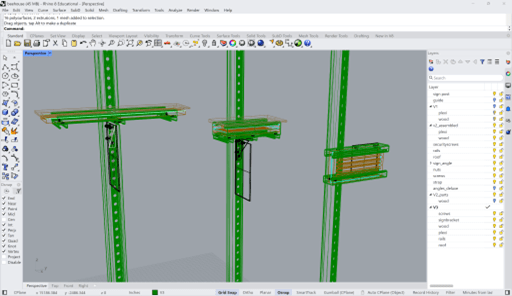
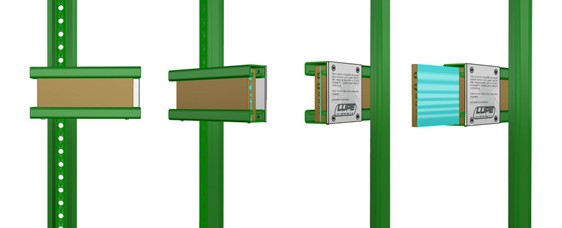
My conceptual approach for these nests was to have the tile units slide into an off-the-shelf frame or channel of some kind, so a researcher could easily take out a tile to observe the bees or wasps or whatever else might be nesting or being hoarded inside. I did a number of options of varying complexity with a few different metal channel extrusions and brackets sold on McMaster, and then priced out the best options, which were all too expensive, so there was a heavy-handed process of value-engineering that resulted in a really simple option that we prototyped, tweaked slightly and took to production.
This simple unit design was based around a readily available “Highway Green” enameled standard steel extrusion and sign/fence post finished in the same “official” green enamel. Basically we cut the extrusion to specific lengths, drill and tap some holes, and screw them to a small printed sign with info about the LUPE solitary bee project, creating one “nest block”. The nest block then gets bolted to a fence or sign post that is in the ground in a garden or park or other natural area- or onto a wall, and the wood tiles faced in plexi get slid into the nest block channels… and then we wait… and then we observe the action within! Because it is so simple and made out of green enameled industrial parts, the nest block design looks very credible and like there is official research going on when installed in a garden or park or public green space.
We had about three weeks from initially talking about this to installing the first unit- so it was a really fast process. The hardest part (besides lack of time) has been getting the wood milled. Without a full shop with a planer and router table, it is time consuming to thickness and groove every pine tile. We can cut them using a handheld router, but in the interest of time, we employed some friends to plane and route the slots for us. In the future when we have more lead-time, we will probably create a jig so that we can do this part using a handheld router. Other than that, it was key to have competent helping hands and a space to work even if not a fully tooled-up fab shop.
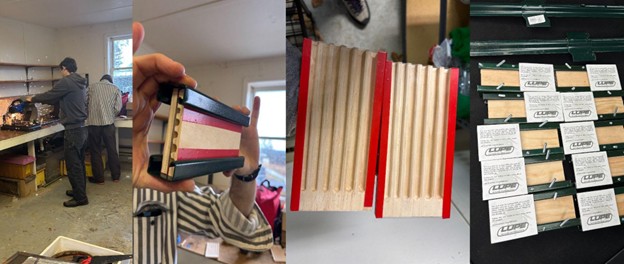
We are now in the process of installing this first run out in the field at a variety of gardens around NYC, and are beginning to make the second batch which will be going out into the field in May. Keep a look out for an official LUPE solitary bee nest in a garden or park near you!
~
You’ve made it to the end!
If you have any questions or want to follow up to inquire about events at your garden, or learn more about this research, please don’t hesitate to reach out! Our contact info is below.
Cheers!
Aaron Sexton
Lab of Urban Plant Ecology
Cornell University
Contact Info
urbaneco@cornell.edu
Updates
July 2026
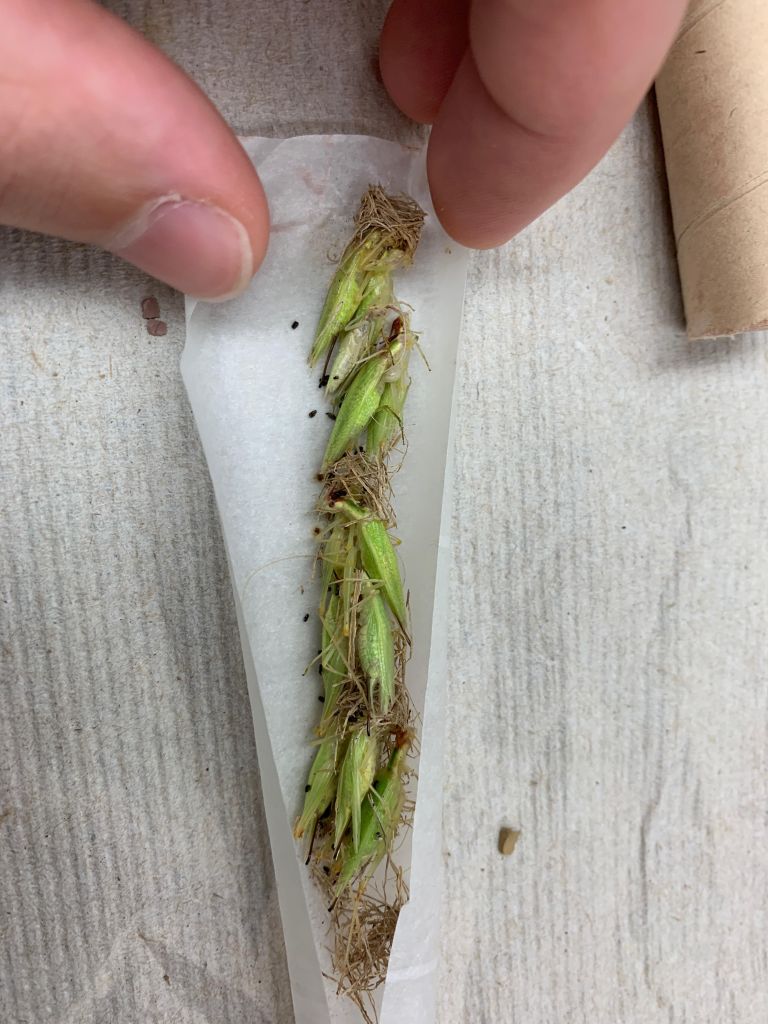
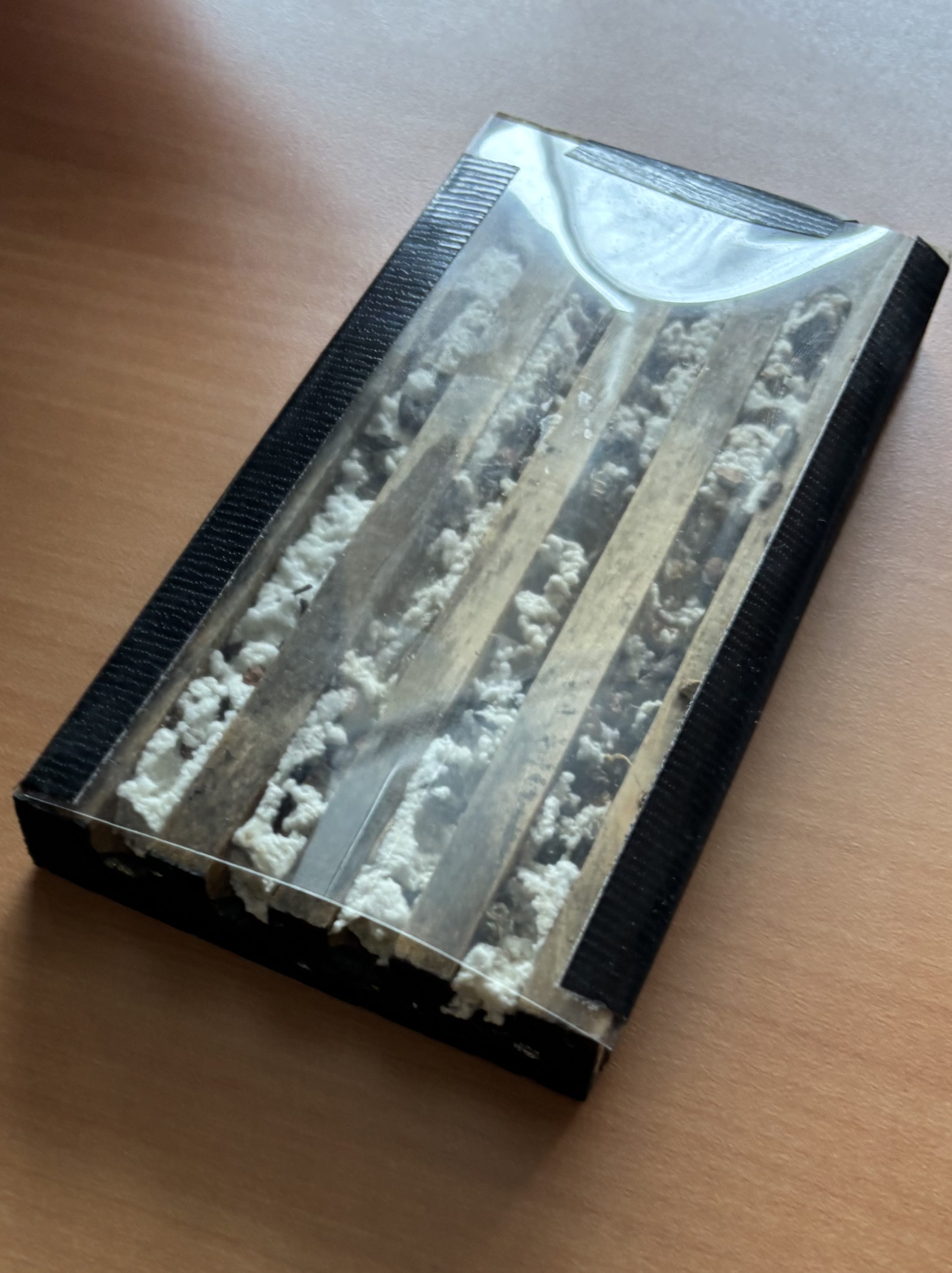
We have our first nests! Below are a couple of pictures. Currently lots of leaf-cutter bees (Megachile) and grass-carrying wasps (Isodontia). In the picture on the left you can see the wasp nest with grasshopper prey and on the right you can see the bee nest.
Very exciting and happy to see!
We are going to have to replace / add to most nests. Our original design had water issues, so we’ve made replacement nests that should “weather the weather” a bit better. In the wasp nest picture below you can even see some water pooling in the nest, which isn’t what we want. All good, in the name of science we continue on. Great to have this first year to work through the kinks.
More to come!!


