Hello!
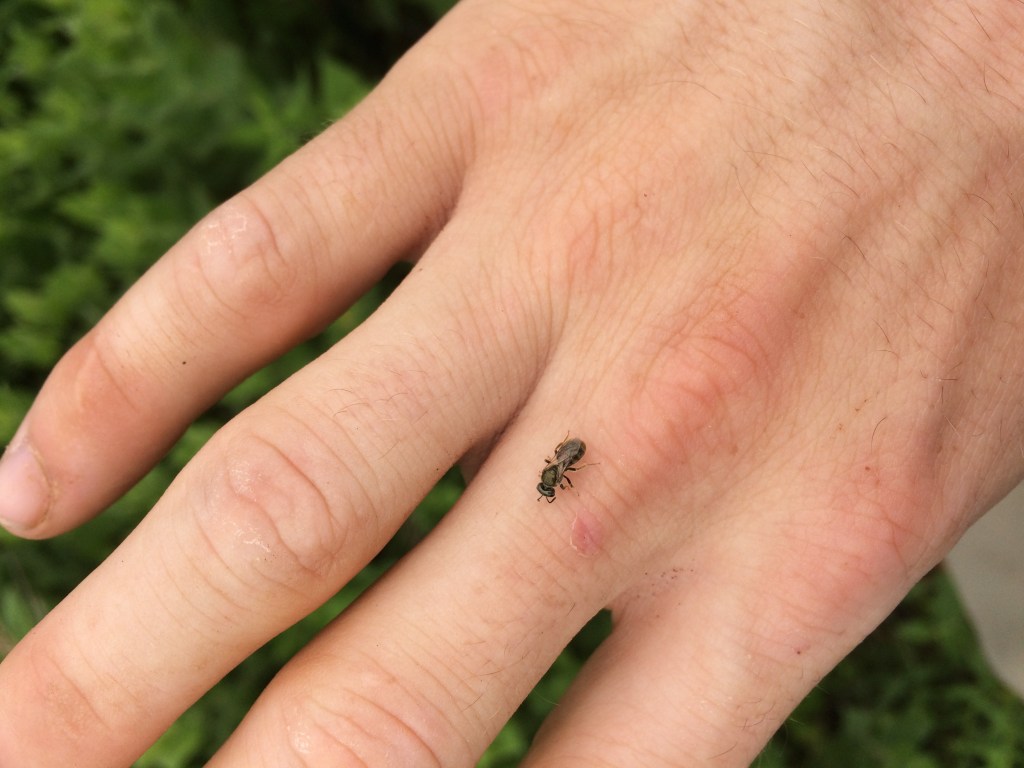
Our research group – the Urban Lab of Plant Ecology at Cornell University is conducting research on solitary cavity-nesting bees and wasps. You may have come to this page because you found one of our nests in the wild! Below you’ll find a bit of information on these species, this research project specifically, and contact info if you have any questions.
Of course, if you want –
Please send us emails with pictures of our nests or bees to:
urbaneco@cornell.edu
About the Bees
These nests are for wild, native beneficial insects. We call them “beneficial” because it includes both pollinators, which help our plants reproduce, but also predators of pests. While bees are well-known pollinators, many wasp species are also beneficial, helpful insects that eat caterpillars feeding on our crops.
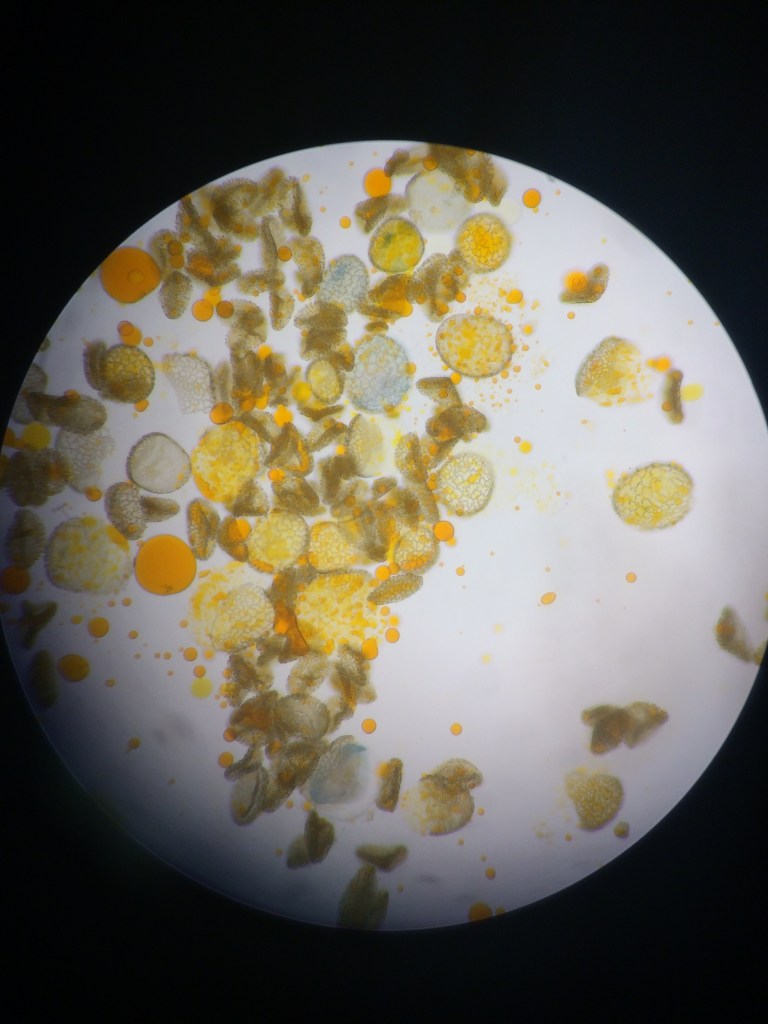
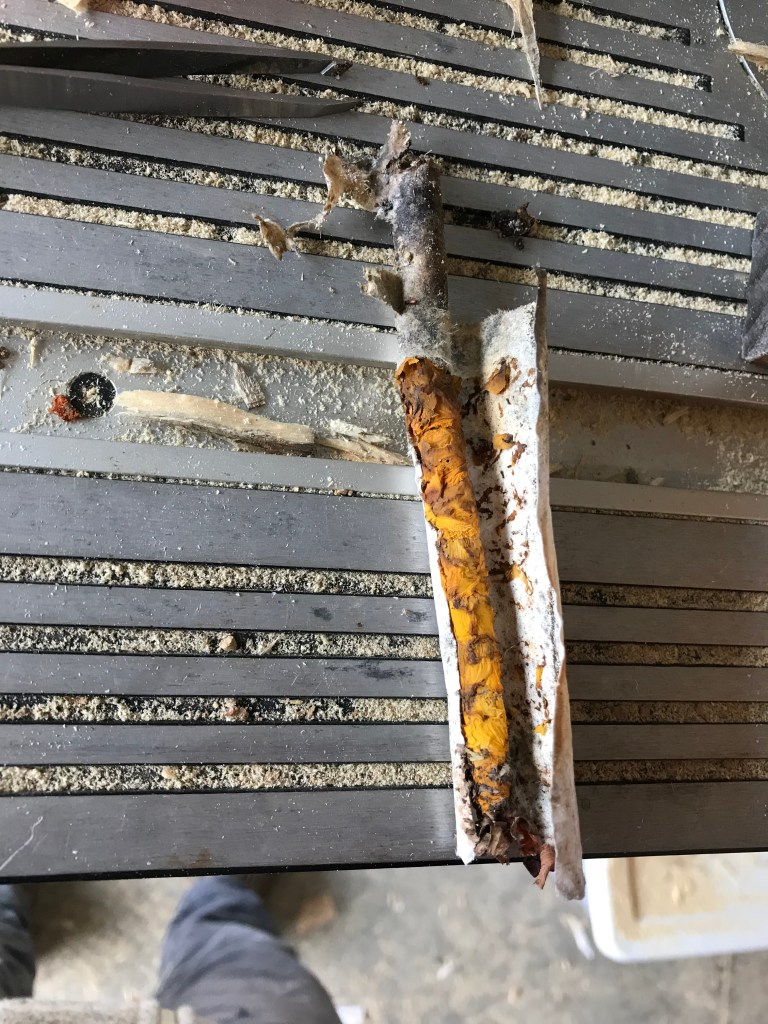
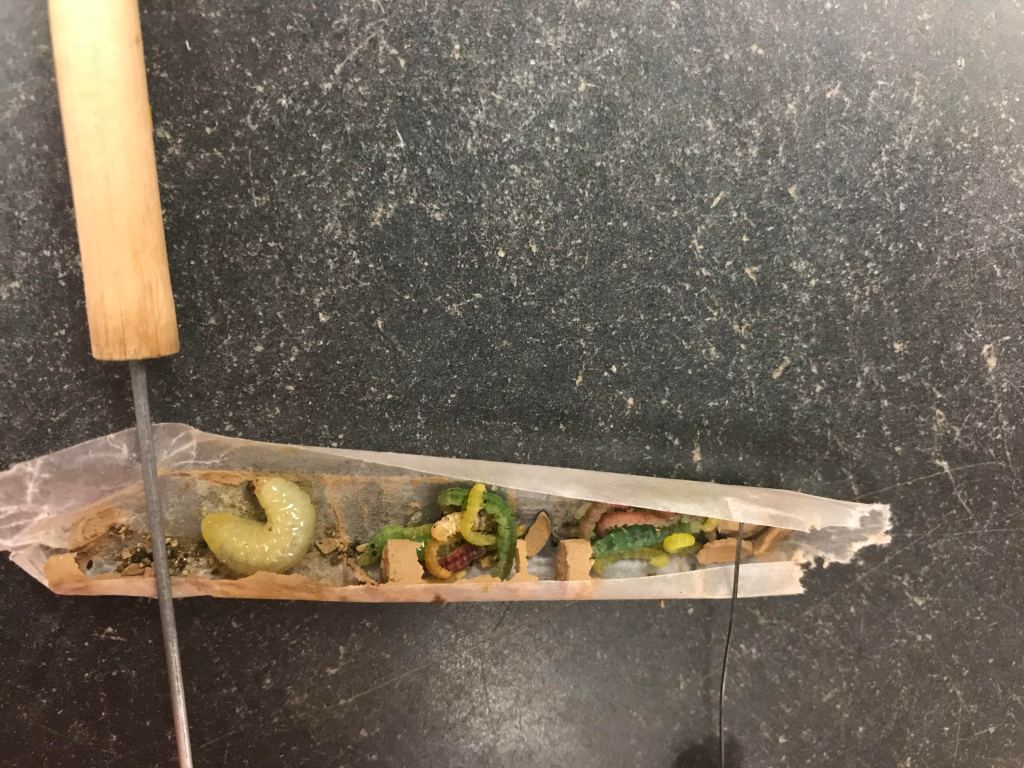
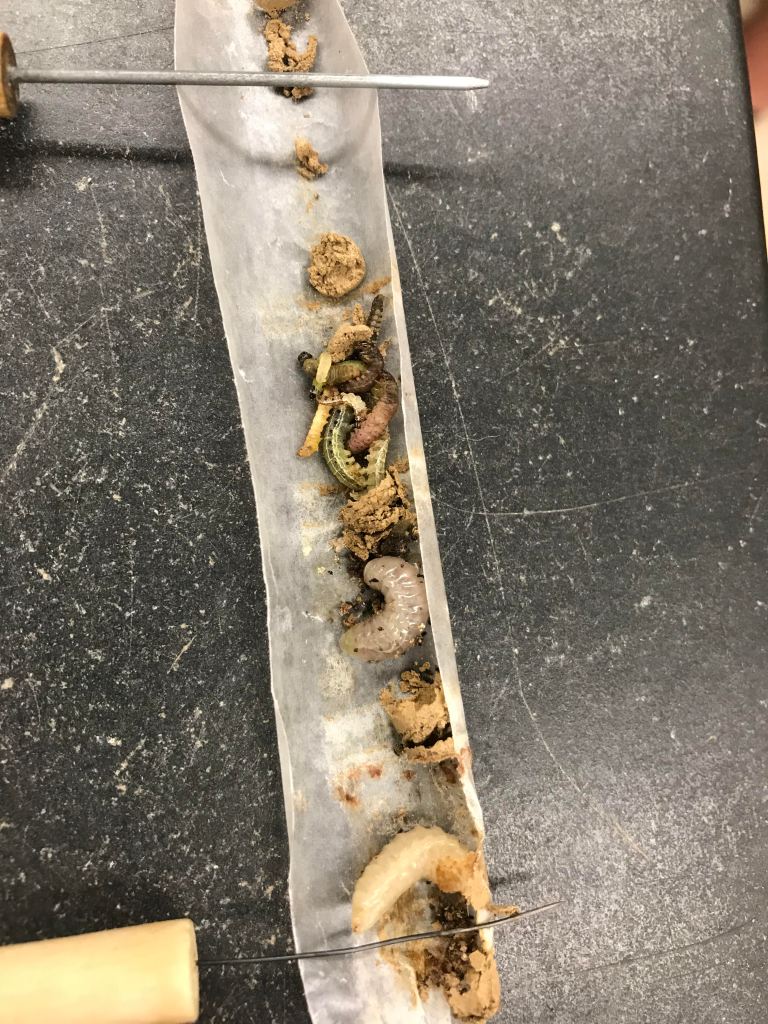
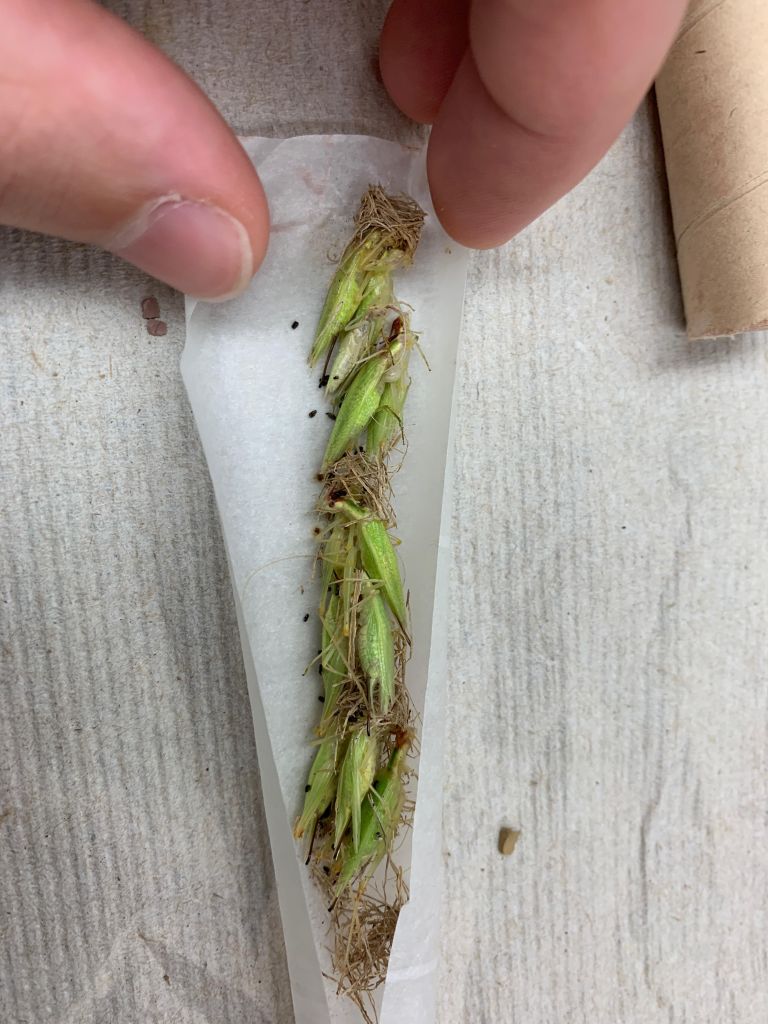
Most of these beneficial insect species are actually solitary, meaning that they build nests for themselves and don’t live in colonies like the better-known Honeybees or Hornets. In North America, the only really social species (living in a colony) are honeybees and bumblebees – the rest for the most part live in solitary nests. The mother bee will go around collecting pollen and nectar from flowers and build a little “energy ball” of food. Or if she’s a wasp she’ll collect insects for food instead of pollen and nectar. She’ll then stash the food in the nest, lay an egg on that ball, and close it off in a little room. She’ll keep doing that for all of her eggs throughout the season, and then close off the nest. The eggs will develop over winter and emerge in the following spring as adults and the cycle continues.
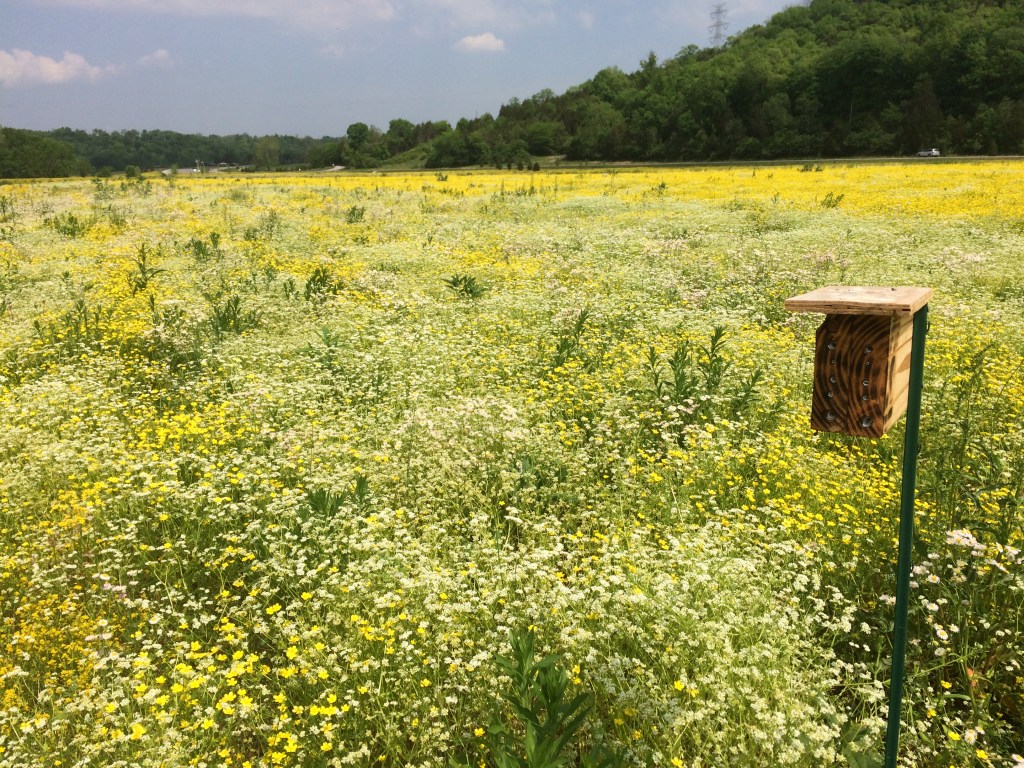
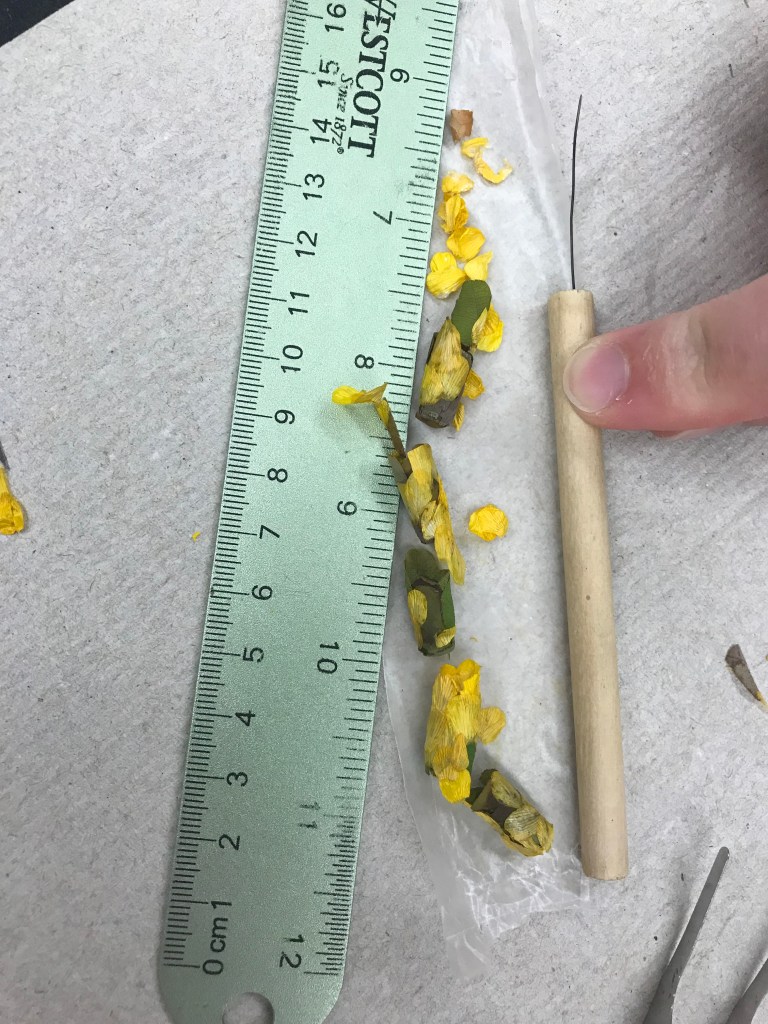
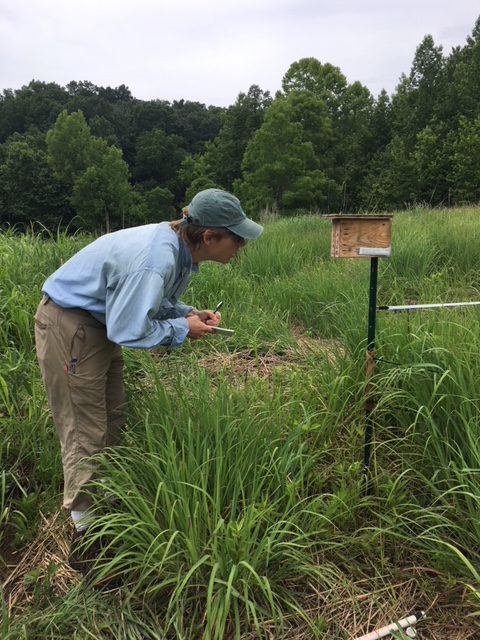
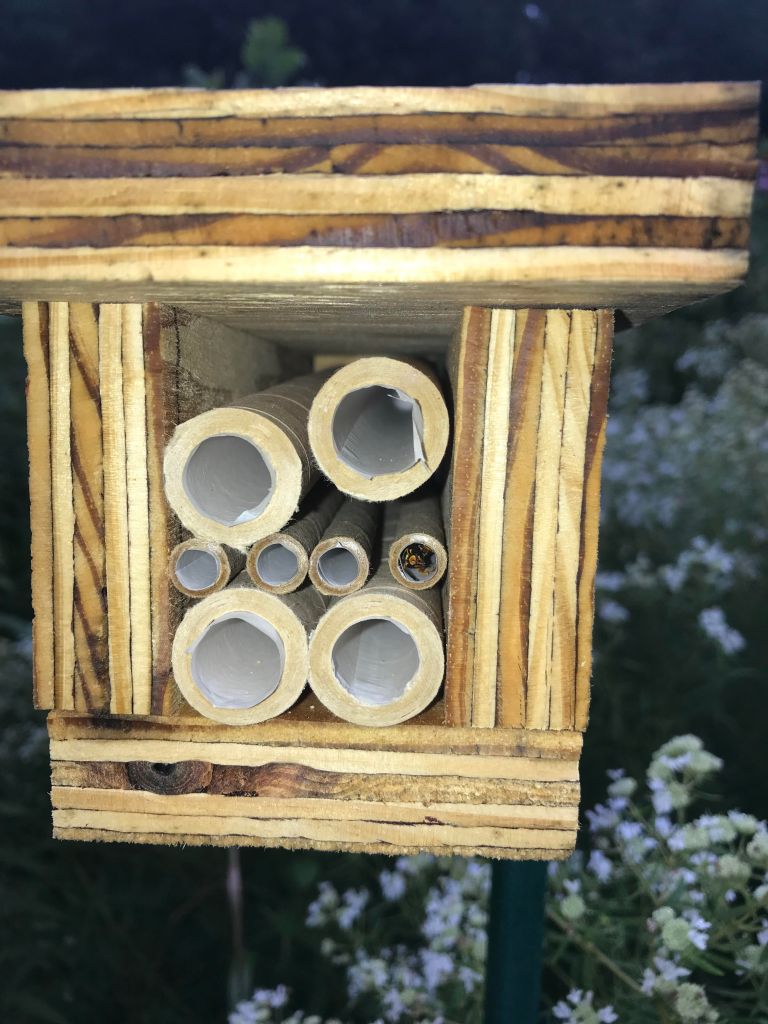
Here are some pictures of the outside and inside of these nests:
About this Project
Our goal with this research is to better understand the diversity and health of beneficial insects living in our cities, specifically NYC. To do this, we’ve set up nests in gardens across NYC, which will allow us to monitor things such as how many eggs the bees are laying, what food they’re eating, when are they most active and what kind of parasites do they have. We first set these nests up in April 2026 and have been monitoring them ever since. Follow along to see what we find out and ask the garden teams what they know about this project!
Cheers!
Aaron Sexton
Lab of Urban Plant Ecology
Cornell University
Contact Info
urbaneco@cornell.edu
 Aaron Sexton