Our outreach work is focused on communicating the importance of urban biodiversity for conservation and human-nature interactions. We have focused on the past on plant-pollinator communities, as well as green spaces in general. Take a look at some examples of previous work we’ve done and don’t hesitate to reach out if you see an avenue to work together.
.
Bee boxes for schools
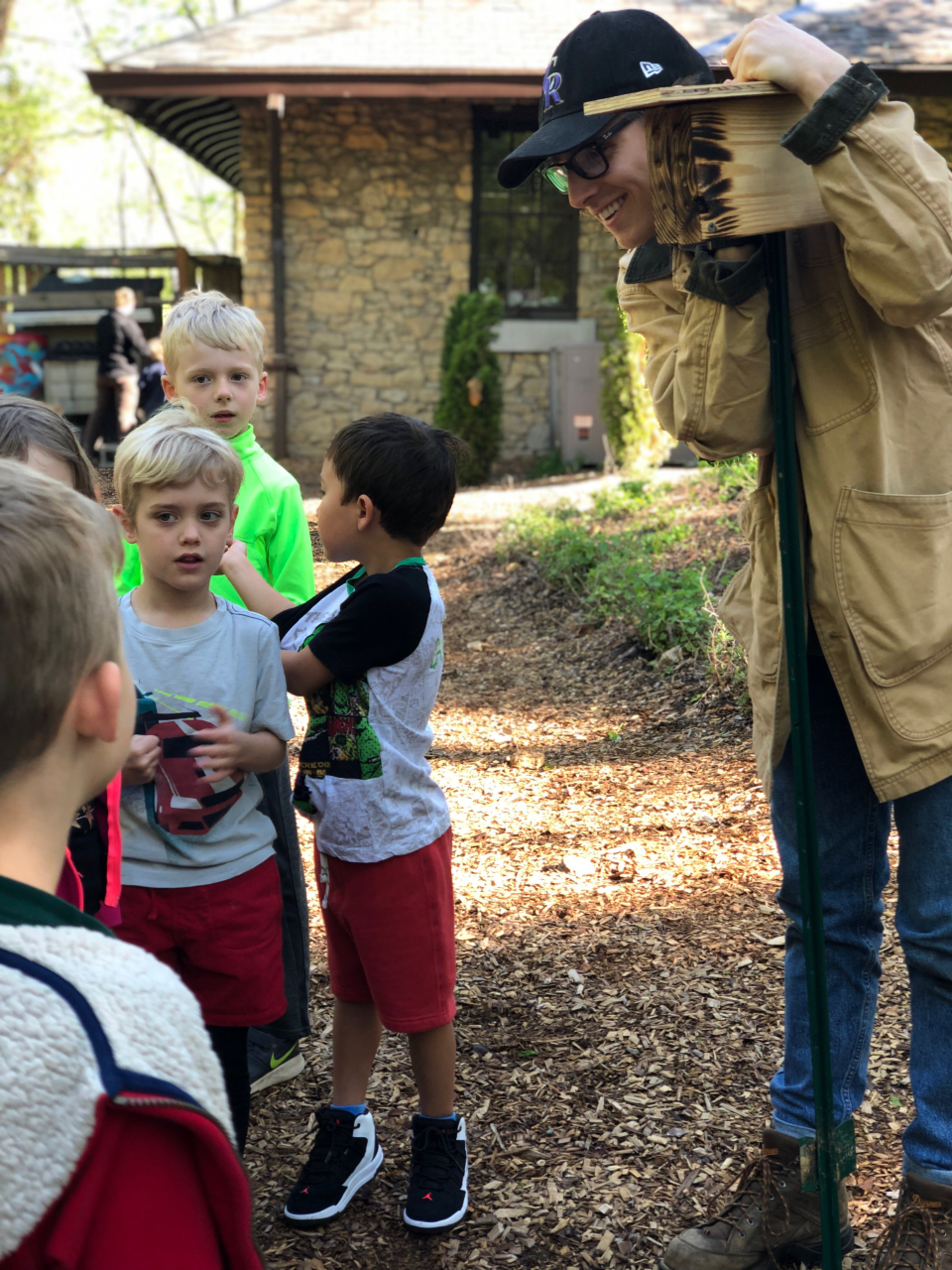
Aaron has worked with elementary schools in Louisville, KY, USA, in an effort to establish a network of bee nests at these schools. His goal is to blend education and research with this project. When we set up these nests we also include some lectures on pollination, insects and conservation. Now that the lab is in New York, if you or someone you know would like a nest at any local school please reach out! I would love to hand out some more nests. (See my contact page)
See below on instructions for how to build your own solitary bee nest.
.
Increasing green space in historically redlined neighborhoods
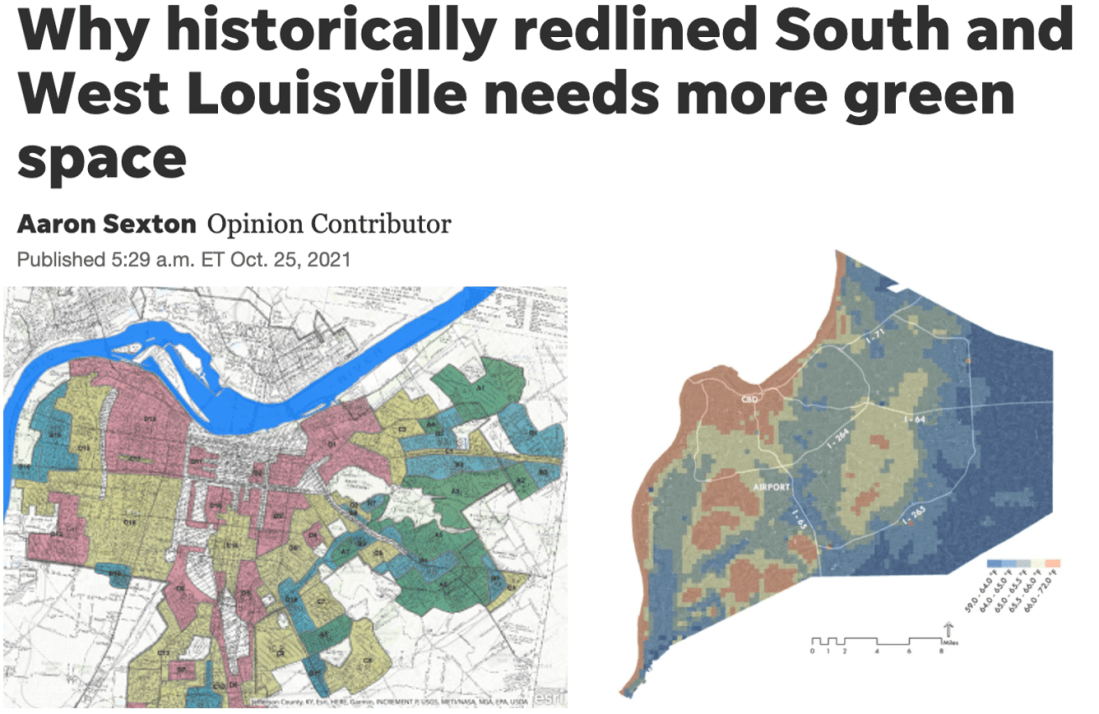
Aaron wrote an Op-Ed in the Courier Journal, which focused on the negative consequences of Louisville’s particularly strong urban heat island on both Louisville residents and the ecosystem. In it, he argues that Louisville Metro government should implement new legislation that would incentivize the conversion of vacant lots and underused lawns into patches of natural habitat, community gardens, and parks. Give it a read here .
.
Forest preservation in the face of pipeline development
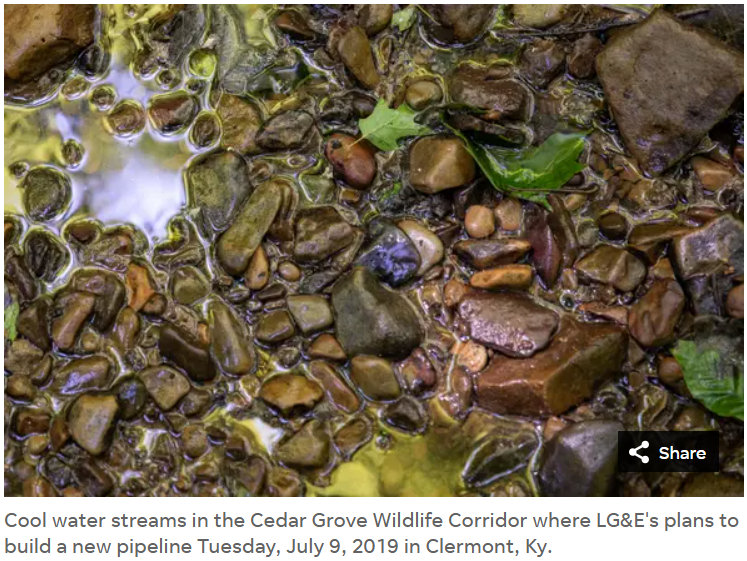
Another Op-Ed Aaron published makes a call for the stopping the development of a natural gas pipeline that is planned to run through pristine forests/grasslands. This pipeline is planned to run through habitat types that are rare to the region, and this development, and the seizure of a protected forest pose a serious threat to local populations and rare species. Give it a read here.
.
Public Talks
Aaron has given a number of public talks on various topics, most revolving around plants and insects. In the past we worked especially close with Idlewild Insectarium to organize public talks on Entomological topics. Check out their amazing work and upcoming events at their website here: http://www.idlewildbutterflyfarm.com

.
How to build your own solitary bee nest
Heres how to create the nests I use in my research. These nests are generally easy to make and can be left outside for two years.
Supplies required:
2 x 6 pine, untreated
1/2” plywood
2.5” exterior screws
Four drill bits (I use 1/2, 3/8, 1/4, and 7/32)
Drill
Saw (handsaw, circular, table, band, whichever you have will work)
Instructions:
- Cut 2 x 6 pine into 8” lengths. You will need two lengths for each nest you make.
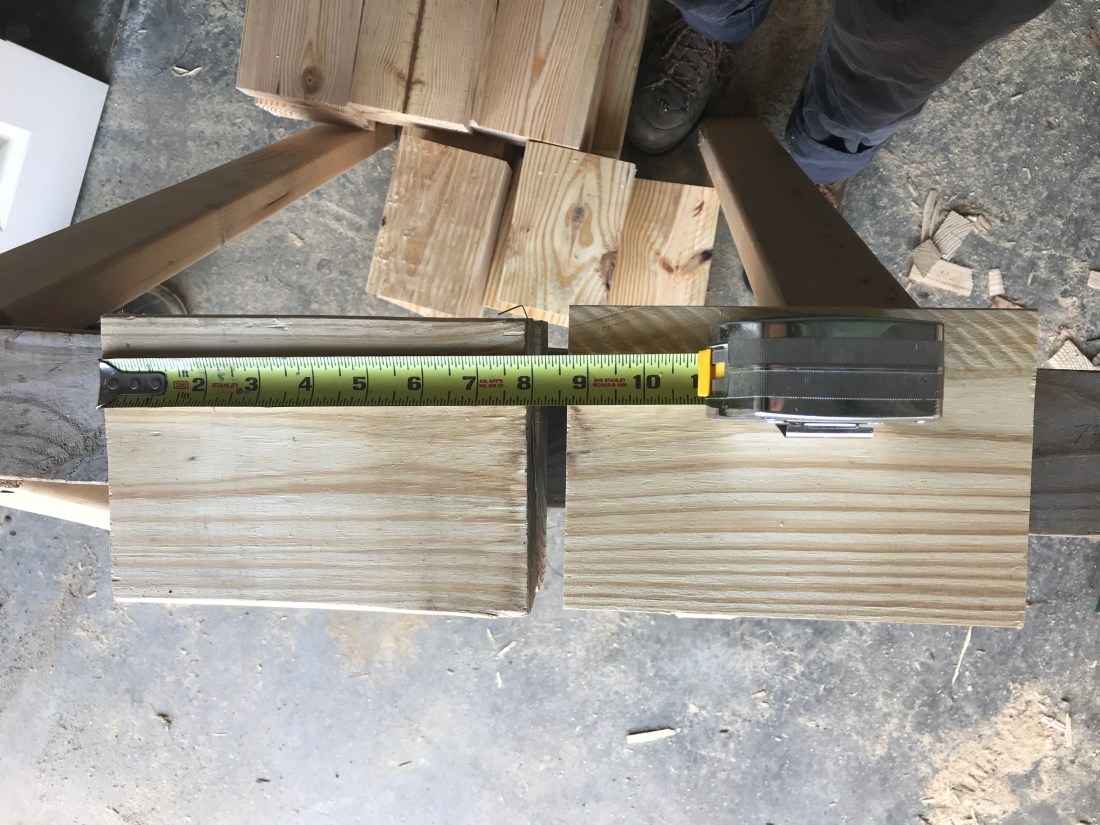
- Screw your 8” lengths from Step 1 together


- Drill cavities into the front of the 8” lengths (see pictures below)
- Larger cavities (1/2 and 3/8) should be 6” deep
- Smaller cavities (1/4 and 7/32) should be 4” deep
- One cavity for each size on each 2×6 length (4 sizes, 8 cavities total)
- I make sure I’m drilling the correct depth by taping off the length on the bit
- I may try to clear out sawdust from the cavities using a keyboard cleaner


- Cut the plywood into 5” x 9” rectangles (or larger if you want, these dimensions aren’t super important
- Glue the plywood rectangle to the top of the nest (see picture below)
- If you don’t have glue you could nail or screw it to the nest, but be sure to avoid putting the nail or screw through a cavity you drilled
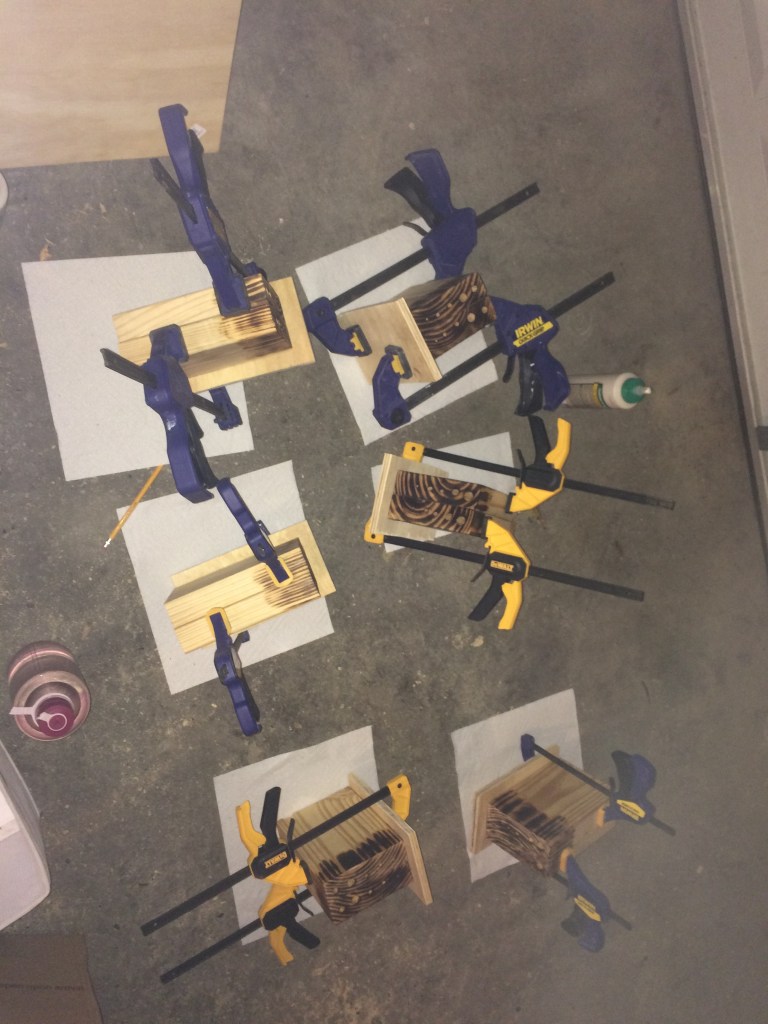
- Lightly burn the front of the nest and sides. Bee-lore says that the bees like this.
- Attach the nest to a post, or side of your house
- Watch for spiders and ants, they love invading the nest. I recommend covering the post that your nest is on with some sort of sticky substance to stop them from crawling up.


- I put my nests out in early April and bees nest throughout the summer
- Watch and enjoy!
 Aaron Sexton